


Starting an online business can seem hard. But, dropshipping makes it easier. When a customer orders, your supplier sends the product directly. This means you don’t have to worry about storing or shipping items.
This e-commerce way lets you focus on selling and marketing. Your supplier takes care of the rest. So, you can start small and grow fast as more people want what you sell.
Key Takeaways
- Simplify your online business with dropshipping
- Eliminate inventory management and shipping logistics
- Focus on marketing and sales
- Start your business with minimal upfront costs
- Scale your business quickly as demand grows
What Is Dropshipping and How Does It Work?
Dropshipping is simple. You sell products without keeping any in stock. Suppliers handle storage and shipping. This model is popular because it’s cheap and flexible.
It’s great for people with marketing skills. They can start an online store without worrying about inventory. You can start selling quickly because you don’t need to stock up.
The Basics of Dropshipping
Dropshipping means working with a supplier who ships products to your customers. You don’t have to deal with storage or fulfillment. Your main job is marketing and sales.
Here’s how it works: you make an online store and list products from your supplier. When someone orders, you send the order to the supplier. They then ship it to the customer.
Key Players in the Dropshipping Model
There are three main parts: you, the supplier, and the customer. Good communication with your supplier is key. It helps with smooth orders and happy customers.
Suppliers take care of inventory, packaging, and shipping. They also handle returns and warranties. As the store owner, you focus on marketing, orders, and customer service.
Benefits of Dropshipping for Your Business
Dropshipping can change your business for the better. It makes starting and running your store easier. You don’t have to deal with the usual problems of traditional retail.
Low Startup Costs
Dropshipping is great because it doesn’t cost much to start. You don’t need to buy lots of products first. This reduces financial risk and helps you use your money better.
You can try out different products and see what works. This is good for new businesses or small ones. It helps them minimize financial exposure.
Flexibility and Convenience
Dropshipping is very flexible and easy to use. You don’t have to keep any products, so you can work from anywhere. You can also grow your business fast, without worrying about storage and shipping.
You can sell many different products easily. This lets you keep up with what customers want. For more info, check out this resource.
Wide Product Selection
With dropshipping, you can sell lots of products without keeping them in stock. This makes your store more interesting. It also lets you meet the needs of many different customers.
Having many products means you can reach more people. This can help you sell more. Here’s a comparison to show how dropshipping can help:
| Feature | Traditional Retail | Dropshipping |
|---|---|---|
| Inventory Management | Complex and costly | Minimal to no cost |
| Product Range | Limited by storage space | Extensive, no storage needed |
| Shipping and Fulfillment | Handled in-house | Handled by suppliers |
Dropshipping makes your online business more flexible and cost-effective. It’s good for starting or growing your e-commerce business. It’s a smart way to succeed.
Choosing the Right Niche for Dropshipping
Finding the right niche is key for a successful dropshipping business. Your niche decides what products you sell and who you sell to. It’s what makes your business a hit.
Identifying Profitable Niches
To find good niches, look for areas with lots of demand and not too much competition. Use Google Trends and Facebook Audience Insights to research. Pick niches you love or know a lot about. This makes marketing and talking to customers easier.
Some good niches to think about are:
- Health and wellness products
- Fashion accessories
- Home decor items
- Electronics and gadgets
Analyzing Market Demand
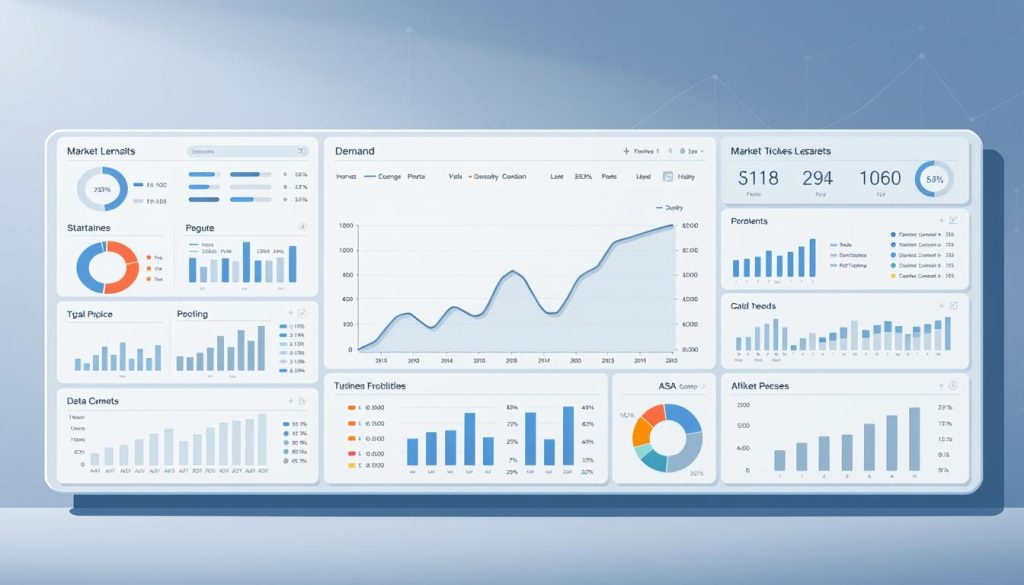
It’s important to check if there’s enough people interested in what you want to sell. Google Keyword Planner can show you how often people search for certain keywords. Social media also tells you what’s popular and what people want.
Evaluating Competition
Knowing how much competition you have is also key. Too much competition can be hard to get into. Too little might mean no one wants what you’re selling. Use tools like SEMrush or Ahrefs to see what your competitors are doing. This helps you find what’s missing in the market.
| Niche | Market Demand | Competition Level |
|---|---|---|
| Health and Wellness | High | Medium |
| Fashion Accessories | High | High |
| Home Decor | Medium | Low |
By picking the right niche, checking demand, and looking at competition, you can make smart choices. These choices will help your dropshipping business succeed.
How to Find Reliable Suppliers
To make your dropshipping business a success, you need to find trustworthy suppliers. They handle important tasks like fulfillment and inventory management. Without them, your business might face big problems, like delayed shipments and unhappy customers.
Researching Suppliers
Start by doing deep research to find a reliable supplier. Use directories like SaleHoo or AliExpress to find them. These sites connect you to many suppliers in different areas.
Look for suppliers with good reviews, lots of products, and reliable shipping. Also, check if they have any certifications or awards. You can find this info on their website or in industry reports. For more tips, visit Shopify’s guide on dropshipping suppliers.
Building Relationships with Suppliers
After finding suppliers, it’s key to build a strong relationship with them. Talk clearly and often, negotiate good deals, and understand their return and refund policies. A good relationship can get you better prices, faster shipping, and better products.
Keep in touch with your suppliers to know about new products and any issues. This helps avoid problems and keeps your business running smoothly.
Evaluating Supplier Reliability
To check if a supplier is reliable, look at their past performance. Check their order fulfillment rates, shipping times, and product quality. You can do this by asking for samples, reading customer reviews, and watching how they communicate.
| Criteria | Excellent | Good | Poor |
|---|---|---|---|
| Order Fulfillment Rate | 95-100% | 85-94% | Below 85% |
| Shipping Time | 2-3 days | 4-7 days | More than 7 days |
| Product Quality | High-quality products | Average quality | Poor quality |
By researching well, building strong relationships, and always checking your suppliers, you can have a reliable supply chain. This will help your dropshipping business grow and succeed.
Setting Up Your Dropshipping Store
Starting a dropshipping business means setting up an online store. This store is key to your success. It needs careful planning.
Choosing the Right E-Commerce Platform
First, pick a good e-commerce platform. Shopify and WooCommerce are top choices. They have themes and plugins for a professional look. Think about ease, payment options, and growth.
Designing Your Storefront
Your storefront is your business’s face. It must be easy to use, look good, and work on phones. A nice storefront boosts trust and sales.
Essential Features for Your Store
For a successful store, add these features:
- Clear product categories and descriptions
- High-quality product images
- Secure payment processing
- Easy navigation and search functionality
- Responsive customer support
These features make shopping easy. They help keep customers coming back and talking well about your store.
Marketing Strategies for Your Dropshipping Business
In the world of dropshipping, a good marketing plan is key. It can make all the difference between success and failure. You need to use many marketing techniques to grow your sales and customers.
Leveraging Social Media
Social media is a great way to find new customers and talk to old ones. Being active on Facebook, Instagram, and Twitter helps your brand grow. Consistency is key in social media, so post often and chat with your followers.
Instagram is great for showing off your products in fun ways. A study found that “Instagram is the most used platform for influencer marketing.” It helps reach your target audience.
“The key to successful social media marketing is to be authentic and engaging, providing value to your followers beyond just selling products.”

Content Marketing and SEO
Content marketing is also very effective. It helps attract and keep your audience interested. By making great content, you show you know your stuff and can rank better on search engines. Learn more about dropshipping marketing strategies to boost your online presence.
| Content Type | Benefits | Examples |
|---|---|---|
| Blog Posts | Improves SEO, establishes authority | Product reviews, industry insights |
| Product Descriptions | Enhances customer understanding, improves conversion rates | Detailed product specs, customer testimonials |
| Social Media Content | Increases engagement, drives traffic | Promotional posts, behind-the-scenes content |
Email Marketing Tips
Email marketing is very effective for reaching customers and making sales. Building an email list and sending targeted emails helps grow your business. Personalization is key in email marketing, so make sure your emails match what your subscribers like.
To start with email marketing, create a good welcome email. It should show what your brand is all about. Use email marketing tools to make your campaigns better and more efficient.
Managing Orders and Customer Service
In dropshipping, managing orders and customer service is key. You must focus on making orders smooth, answering customer questions well, and having a clear refund policy.
Streamlining Order Fulfillment
It’s important to make sure orders get to customers fast. Choose reliable suppliers who ship quickly. Also, get order management software to help track and automate orders.
Good order management means fewer mistakes and delays. This keeps customers happy and can make them come back.
Handling Customer Inquiries
Answering customer questions fast and well is key. This means quick replies to emails, calls, and social media. Give clear info about your products and services.
Good customer service means solving problems fast. It also leads to happy customers telling others about you.
Returns and Refunds Process
A clear returns and refunds policy is important. It shows you care about your customers. Make sure your policy is fair and easy to follow.
Having a good refund policy means fewer unhappy customers. It also builds trust and keeps customers coming back.
Legal Considerations for Dropshipping
To run a dropshipping business, you must know some laws. You need to follow rules for online stores. This keeps your business legal and safe.
Understanding Business Licenses
You need business licenses to start. Licenses change by state and area. Check your state’s website or talk to a lawyer to find out what you need.
“Getting the right licenses is key,” say business law experts. It makes your business look good and keeps customers happy.
Tax Implications for Dropshipping
Dropshipping has tax rules you must follow. You must collect and send sales tax. Rates change by state and area. For more info, visit Shopify’s blog on dropshipping legality.
Knowing about “nexus” is also important. Nexus means you must collect sales tax in a state. This can happen if you have a place there, employees, or stock.
Compliance with Consumer Protection Laws
Consumer protection laws help keep customers safe. You must follow these laws to avoid trouble. Be clear about your business, describe products right, and follow return rules.
The Federal Trade Commission (FTC) has rules for fair business. Following these laws helps your business and keeps customers happy.
In short, knowing and following laws is key for a dropshipping business. By doing this, you can make a good and lasting online store.
Tracking Your Performance and Sales
To make your dropshipping business better, track your sales and performance often. Watch key numbers that show how well your business is doing.
Essential Metrics for Success
Important numbers like Cost of Goods Sold (COGS), Customer Acquisition Cost (CAC), Average Order Value (AOV), and Conversion Rate are key. Learn more about these in essential KPIs for dropshipping businesses.
Analyzing Performance Data
Tools for analyzing performance help you understand sales trends and customer behavior. This info helps you make smart choices to grow your business.
Adjusting Your Strategy
Looking at your data often helps you find ways to get better. You can make your order process smoother, improve customer happiness, and fine-tune your marketing. This can help increase your sales and growth.
FAQ
What is dropshipping and how does it work?
Dropshipping is a way to sell products online without keeping any stock. When someone buys something, you send the order to a supplier. They then ship it directly to the buyer.
What are the benefits of starting a dropshipping business?
Starting a dropshipping business is easy and cheap. You can sell lots of products without keeping any stock. This lets you focus on selling and marketing, while the supplier handles the rest.
How do I choose a profitable niche for my dropshipping business?
To pick a good niche, look for areas with lots of demand and not too much competition. Use online tools to check market trends and what people are buying. This helps you find the best niche for your business.
What are the key factors to consider when selecting a supplier for my dropshipping business?
When picking a supplier, think about product quality, price, shipping times, and customer service. Check the supplier’s reputation and read reviews. Ask for samples to make sure they meet your standards.
How do I set up an effective dropshipping store?
To make a good dropshipping store, pick a good e-commerce platform. Make your store easy to use and include features like product reviews. Make sure your store is easy to find online.
What marketing strategies are effective for a dropshipping business?
Good marketing for a dropshipping business includes social media, content marketing, SEO, and email marketing. You can also use influencers, ads, and promotions to get more sales and make your brand known.
How do I manage orders and customer service for my dropshipping business?
To handle orders and customer service well, make sure orders are fulfilled quickly. Answer customer questions fast and have a clear returns policy. Talk to your suppliers to ensure products are shipped on time.
What are the legal considerations for a dropshipping business?
As a dropshipping business owner, you need to know about business licenses, taxes, and laws. Make sure your suppliers follow all laws, like product safety and labeling rules.
How do I track my performance and sales in a dropshipping business?
To keep track of your business, watch website traffic, conversion rates, and how much it costs to get customers. Use analytics tools to understand your data and improve your business.
Can I run a dropshipping business as a passive income stream?
Dropshipping can be easy to manage, but it’s not completely hands-off. You’ll need to keep working on marketing, customer service, and supplier management. But, with the right setup, you can earn money with less effort.
How do I handle inventory management in a dropshipping business?
In dropshipping, you don’t keep any stock, so you don’t have to worry about inventory. But, you should check with your suppliers to make sure they can fulfill orders.