


You’ve probably heard about cryptocurrency and its big role in finance. But what is it? It’s a kind of digital currency that uses blockchain to check transactions. This makes a safe and clear record.
Cryptocurrency is different from regular money. It doesn’t need a bank to say it’s okay to trade. This system lets people trade directly with each other. It’s great for those wanting new ways to invest. To find out more about how it works, check out more resources.
Key Takeaways
- Cryptocurrency is a digital currency that uses blockchain technology.
- It’s decentralized, allowing for peer-to-peer transactions.
- Cryptocurrency offers alternative investment opportunities.
- The value of cryptocurrencies can fluctuate significantly.
- Major cryptocurrencies include Bitcoin and Ethereum.
- Cryptocurrency investments can be made through various options.
What Is Cryptocurrency?
You might know what cryptocurrency is. But let’s really understand it. It’s a digital money that uses secret codes for safety. It’s not controlled by any government or bank.
Definition and Basics
Cryptocurrencies are digital things made with blockchain technology. A blockchain is like a big book that keeps track of all money moves. Learn more about cryptocurrency and its tech.
Secret codes make sure money moves are safe. They also control how much new money is made. This makes it hard to fake or use money twice.
How It Works
Cryptocurrency doesn’t need a central bank. It uses a system where many computers help keep track of money. When you send money, your action is checked by many computers.
Once checked, your money move is added to a group of moves called a block. Each block has a special code that links it to the last block. This makes a chain of blocks, or a blockchain.
This chain can’t be changed. So, all money moves are safe and true. Bitcoin was the first and is very famous. But, there are thousands of other cryptos, each special in its own way.
The History of Cryptocurrency
In 2008, Bitcoin was born. It was the first digital money without a bank. This was thanks to decentralized finance ideas.
Origins of Bitcoin
Bitcoin was made by someone named Satoshi Nakamoto. Who Nakamoto is, we don’t know. This mystery makes Bitcoin even more interesting.
The launch of Bitcoin solved a big problem. It let people send money without a bank in the middle.
Evolution of Cryptocurrencies
After Bitcoin, many more digital coins came out. These coins, or altcoins, brought new ideas. For example, Ethereum added smart contracts.
These smart contracts let people make apps on the blockchain. This opened up new ways to use digital money.
Now, we have many types of digital assets. These include tokens from Initial Coin Offerings (ICOs). They help fund projects like new blockchains and finance apps.
| Cryptocurrency | Year Introduced | Key Features |
|---|---|---|
| Bitcoin | 2009 | First decentralized cryptocurrency, peer-to-peer transactions |
| Ethereum | 2015 | Smart contracts, decentralized applications (dApps) |
| Altcoins (e.g., Litecoin, Monero) | Various | Varied features such as faster transaction times, enhanced privacy |
The history of cryptocurrency is full of new ideas. From Bitcoin to today’s many digital assets, it’s a fast-growing field.
Popular Types of Cryptocurrencies
Exploring cryptocurrency, you’ll find many digital coins and tokens. The market is big, with different types of cryptocurrencies. We’ll look at Bitcoin, Ethereum, and altcoins. We’ll also talk about tokenization in virtual currency.
Bitcoin
Bitcoin is the most famous cryptocurrency. It’s a digital currency that lets people send money directly to each other. Bitcoin’s limited supply and wide use make it valuable.
Ethereum
Ethereum is known for its smart contracts. These contracts help developers make apps on the Ethereum blockchain. Ethereum is popular with developers and investors. You can learn more on Investopedia.
Altcoins
Altcoins are other cryptocurrencies, like Litecoin and Bitcoin Cash. They try to fix Bitcoin’s problems or add new features. Tokenization turns assets into digital tokens on a blockchain. This changes how we own and transfer things online.
| Cryptocurrency | Key Feature | Use Case |
|---|---|---|
| Bitcoin | Decentralized, Limited Supply | Store of Value, Medium of Exchange |
| Ethereum | Smart Contract Functionality | Decentralized Applications (dApps) |
| Altcoins (e.g., Litecoin) | Varied Features (Faster Transaction Times) | Alternative to Bitcoin, Specific Use Cases |
In conclusion, the cryptocurrency world offers many choices. From Bitcoin to Ethereum and altcoins, each has its own features. Knowing about these types helps you understand the virtual currency market better.
How to Buy Cryptocurrency
Buying cryptocurrency is easy once you know the basics. First, pick a good exchange and a digital wallet. These steps help you make safe and easy transactions.
Selecting a Cryptocurrency Exchange
Finding the right exchange is key. Look for ones with a good name, strong security, and easy use. Coinbase, Binance, and Kraken are popular choices. Think about these things when picking an exchange:
- Fees: Know the costs for buying, putting money in, and taking money out.
- Security: Make sure the exchange keeps your money safe.
- Supported Cryptocurrencies: Check if they have the crypto you want.
Setting Up Your Digital Wallet
After picking an exchange, set up a digital wallet. There are many types, like:
- Hot Wallets: Online wallets that are easy to use but might not be as safe.
- Cold Wallets: Offline wallets that are safer for keeping your crypto long-term.
When setting up your wallet, keep it safe. Use two-factor authentication and protect your private keys.
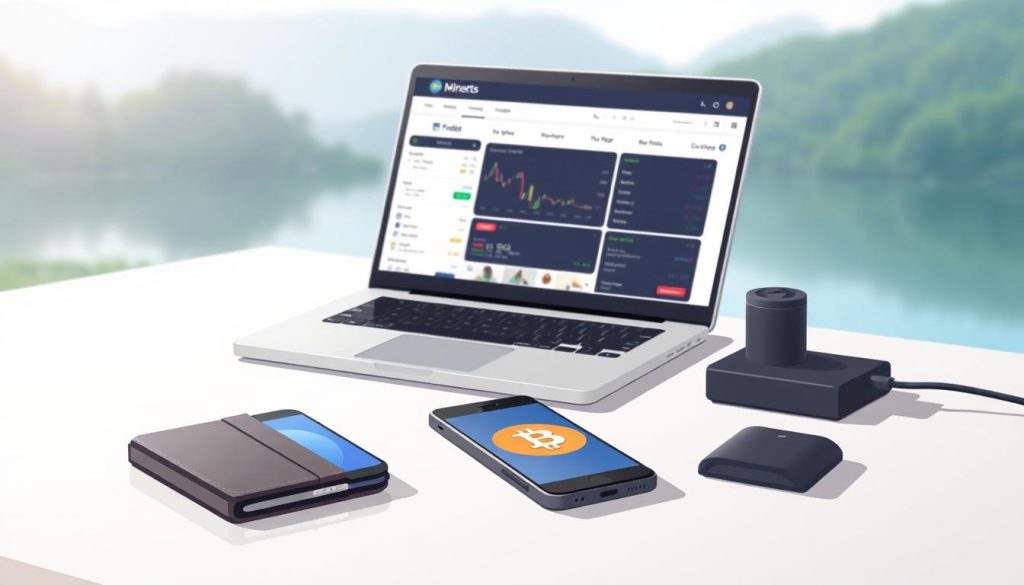
Smart contracts help make buying crypto safe and easy. They are like contracts that run on their own. This makes buying crypto less risky and more reliable.
Learning how to pick an exchange and set up a wallet is a big step. Stay smart and careful in the crypto world. It can change fast.
Understanding Blockchain Technology
It’s important to know about blockchain technology to understand cryptocurrency. Blockchain is a special ledger that keeps track of transactions on a network. It makes sure everything is clear and safe.
Blockchain is the base for many digital currencies and more. It lets data be stored safely and openly. This makes transactions secure and clear.
What Is Blockchain?
A blockchain is like a chain of blocks. Each block has many transactions. These transactions are checked by nodes on the network.
Once a transaction is added, it can’t be changed. This makes blockchain very secure and trustworthy. It’s much better than old systems that rely on one place.
Key Components of Blockchain
Blockchain has blocks, nodes, and a network. Let’s look at each:
| Component | Description |
|---|---|
| Blocks | Contain a list of transactions, which are verified by nodes on the network. |
| Nodes | Computers that connect to the blockchain network, verifying and relaying transactions. |
| Blockchain Network | A decentralized network that allows nodes to communicate and agree on the state of the blockchain. |
Knowing about these parts helps us see how powerful blockchain is. It supports digital currency and more.
The Benefits of Using Cryptocurrency
Cryptocurrency has many good points. It has lower fees and is more secure. This makes it popular among many people. Knowing these benefits can help you choose wisely when you use digital money.
Lower Transaction Fees
Cryptocurrency cuts down on fees for transactions. Traditional ways often use banks, which charge a lot. But, crypto deals go straight to the blockchain, cutting out the middlemen and saving money.
For example, Bitcoin has much lower fees than old payment systems. This is good for both small and big deals.
| Transaction Type | Traditional Fees | Cryptocurrency Fees |
|---|---|---|
| Small Transactions (<$10) | $0.50 – $1.00 | $0.01 – $0.10 |
| Large Transactions (>$1000) | $10 – $50 | $1 – $5 |
Increased Security
Crypto deals are safer because of blockchain. This public ledger makes it hard for hackers to mess with transactions.
Decentralized finance (DeFi) makes it even safer. It uses smart contracts that do deals automatically. This cuts down fraud and makes deals faster.
In short, using cryptocurrency has big benefits. It saves money and is safer. As we move more online, knowing these points can help you in the changing money world.
Risks and Challenges in Cryptocurrency
Investing in cryptocurrency can be good, but you must know the risks. It’s important to understand these risks to make smart choices.
Market Volatility
The cryptocurrency market is very volatile. The value of your crypto can change fast, sometimes in hours. This can happen for many reasons, like demand changes or new rules.
For example, Bitcoin’s price can go up or down quickly because of news or how people feel about it. This makes it hard for investors. It’s key to keep up with the market and change with it.
Regulatory Concerns
Another big challenge is regulatory uncertainty. Governments and banks are figuring out how to handle crypto. This lack of clear rules can make investors unsure and worried.
Tokenization also brings up questions about rules. If a token is seen as a security, it might face strict rules. This could affect its value and how it’s used.
| Risk Factor | Description | Impact on Investors |
|---|---|---|
| Market Volatility | Rapid changes in cryptocurrency prices | Potential for big gains or losses |
| Regulatory Uncertainty | Not knowing the rules for crypto | More risk because of possible rule changes |
To lessen these risks, it’s important to keep up with market and rule changes. For more on crypto and blockchain risks, visit our website at Cryptocurrency and Blockchain Risks.
Investing Strategies for Cryptocurrency
To succeed in the cryptocurrency market, you need a good plan. Investing in virtual currency can be rewarding. But, you must think about your financial goals and how much risk you can take.
Before starting, know the different ways to invest. Your choice depends on your goals, how much you want to invest, and how you feel about market ups and downs.
Long-Term vs. Short-Term
Investors can choose between long-term and short-term strategies. A long-term strategy means holding onto your investments for years. This helps you ride out market changes and could lead to big growth.
A short-term strategy means buying and selling quickly to make money from market changes. This method needs a good understanding of market trends. It can be stressful because values change fast.
| Investment Strategy | Time Frame | Risk Level |
|---|---|---|
| Long-Term | Several Years | Lower |
| Short-Term | Days/Weeks | Higher |
Diversification Tips
Diversification is key in investing, including virtual currency. Spreading your investments across different cryptocurrencies can lower risk. It might also increase your chances of success.
Smart contracts can help in your investment decisions. They automate processes and make sure transactions happen as planned. Knowing how to use these tools can improve your strategy.

When diversifying, mix established cryptocurrencies like Bitcoin with other promising projects. Regularly check and adjust your portfolio. This keeps it in line with your investment goals.
How to Store Your Cryptocurrency Safely
To keep your cryptocurrency safe, you need to know how to store it. It’s key to protect your money from bad things.
Hot Wallets vs. Cold Wallets
You have two main ways to store your cryptocurrency: hot wallets and cold wallets.
A hot wallet is always online. You can easily use it to manage your money. But, it’s not very safe because hackers can get in.
A cold wallet stays offline. It’s safer because hackers can’t get to it. Cold wallets are things like hardware wallets and paper wallets.
Best Practices for Security
To keep your cryptocurrency safe, follow these tips:
- Use strong, unique passwords for your wallets and accounts.
- Enable two-factor authentication (2FA) whenever possible.
- Regularly update your wallet software and related applications.
- Be cautious of phishing attempts and suspicious links.
- Consider using a hardware wallet for long-term storage.
Knowing the difference between hot and cold wallets helps a lot. Also, following these security tips makes your cryptocurrency safer.
Decentralized Finance (DeFi) Explained
As you explore the world of cryptocurrency, you’ll find DeFi. It’s changing the financial world. DeFi means financial services on blockchain without one person in charge.
What Is DeFi?
DeFi includes many financial services like lending and trading. They use blockchain technology. This makes transactions safe and fast, without banks.
Think of DeFi as a financial system open to everyone. It uses smart contracts for different financial tasks.
How DeFi Differs from Traditional Finance
DeFi is different from old finance in many ways. It’s not run by banks or governments. Instead, it’s on a network that’s open to all.
Key differences include:
- Decentralized governance, allowing for community-driven decision-making.
- Open access, enabling anyone with an internet connection to participate.
- Increased transparency, as all transactions are recorded on a public blockchain.
- Enhanced security, through the use of cryptography and smart contracts.
Learning about DeFi helps you understand cryptocurrency better. It lets you make smart choices about your money.
Understanding Cryptocurrency Mining
Cryptocurrency mining is how new deals are checked and added to the blockchain. This is key for cryptocurrencies like Bitcoin, a leading virtual currency. It helps check deals and keeps the network safe from bad stuff.
The Mining Process
Mining means solving hard math problems that need lots of computer power. Miners race to solve these problems. The first one gets to add new deals to the blockchain.
This work is very hard and needs special computers.
Miners do more than just solve math problems. They check if the sender has enough money. They make sure the deal is real. This keeps the blockchain safe from fake deals.
Miners’ Role in the Network
Miners are very important in the world of cryptocurrency. They get rewards for their work, like new coins or fees from deals. This makes them want to keep checking deals and keeping the network safe.
Here’s what miners do:
| Contribution | Description |
|---|---|
| Transaction Validation | Miners check if senders have enough money. |
| Network Security | Miners solve math problems to keep the network safe. |
| Blockchain Maintenance | Miners add new deals to the blockchain, keeping it safe and working. |
In short, mining is key to making cryptocurrencies like Bitcoin work. It keeps them safe and fair. As the world of cryptocurrency grows, knowing about mining is very important.
The Future of Cryptocurrency
Cryptocurrency’s future is bright, thanks to new trends and tech. Smart contracts and tokenization are key players in this growth.
Emerging Trends
Smart contracts are getting more attention. They are like self-running contracts with code rules. This makes deals faster and safer.
Market Predictions
Tokenization is also on the rise. It turns real assets into digital tokens on blockchain. This change could shake up how we trade and own things. As these trends grow, the crypto market will change, bringing new chances and hurdles.
FAQ
What is cryptocurrency and how does it work?
Cryptocurrency is a digital money that uses secret codes for safety. It’s not controlled by any government or bank. It uses blockchain technology to record transactions on a network of computers.
What is blockchain technology and how does it support digital currency?
Blockchain is a safe, shared ledger for transactions. It helps digital money by making sure transactions are secure and open. This makes it hard for hackers to change the data.
What is the difference between Bitcoin and other cryptocurrencies?
Bitcoin is the first and most famous digital money. But, there are many others, called altcoins, with different uses. Ethereum, for example, is not just money but also a place for smart contracts and apps.
How do I buy cryptocurrency?
You can buy digital money on a site like Coinbase or Binance. First, make an account. Then, add money and use it to buy what you want.
What is a digital wallet and how do I set one up?
A digital wallet stores and sends digital money. To set one up, pick a provider like MetaMask or Trust Wallet. Then, follow their steps to make an account.
What are the benefits of using cryptocurrency?
Digital money has lower fees, is more secure, and lets you skip banks. It’s fast and easy to use.
What are the risks and challenges associated with cryptocurrency?
Digital money can be risky because of price changes, rules, and security threats. It’s important to be careful.
What is DeFi and how does it differ from traditional finance?
DeFi is finance on blockchain, not controlled by banks or governments. It’s different because it’s open and fair for everyone.
What is cryptocurrency mining and how does it work?
Mining checks transactions on blockchain and adds them to the ledger. Miners use computers to solve hard math problems. This secures the network and checks transactions.
How can I store my cryptocurrency safely?
Keep your digital money safe with hot and cold wallets. Keep your private keys safe. Use strong passwords and two-factor authentication.
What is the future of cryptocurrency?
The future of digital money will be shaped by new tech, DeFi, and rules. As it grows, we’ll see new trends and ideas.